Observing - Basics of Astronomy 2
|
|
|
Observing - Basics of Astronomy 2 |
|
|
|||||||||||||||||||||||||||||||||||||||
|
|
|
A key ingredient in finding objects that are either barely visible or invisible (hiding) to the naked eye is to use brighter identifiable objects for reference points. For example:”Go about two thirds of the way past Walmart toward McDonalds and take a right at the phone booth; go down to the end and turn left at the Pink Flamingo.” |
|
|
|
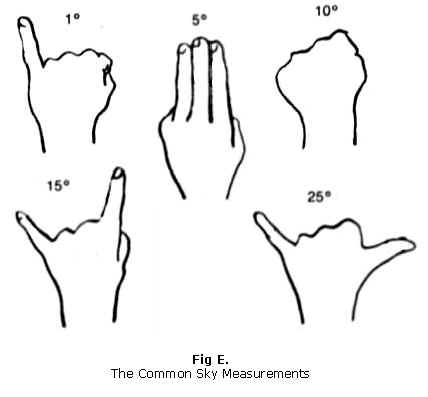
1 - Learn Angular Size & Distance relative to the outstretched hand. Angular Size & Distance is the length, width, and/or diameter of a celestial object as seen against the sky. |
|
|
|
|
|
||||||||||||||||||||||||||||||||||||||||||||||||||||||
|
|
|
I found this simple diagram at http://www.oneminuteastronomer.com This is just another really good web site that will help you learn in short period what took years for many of us to learn. |
|
|
|
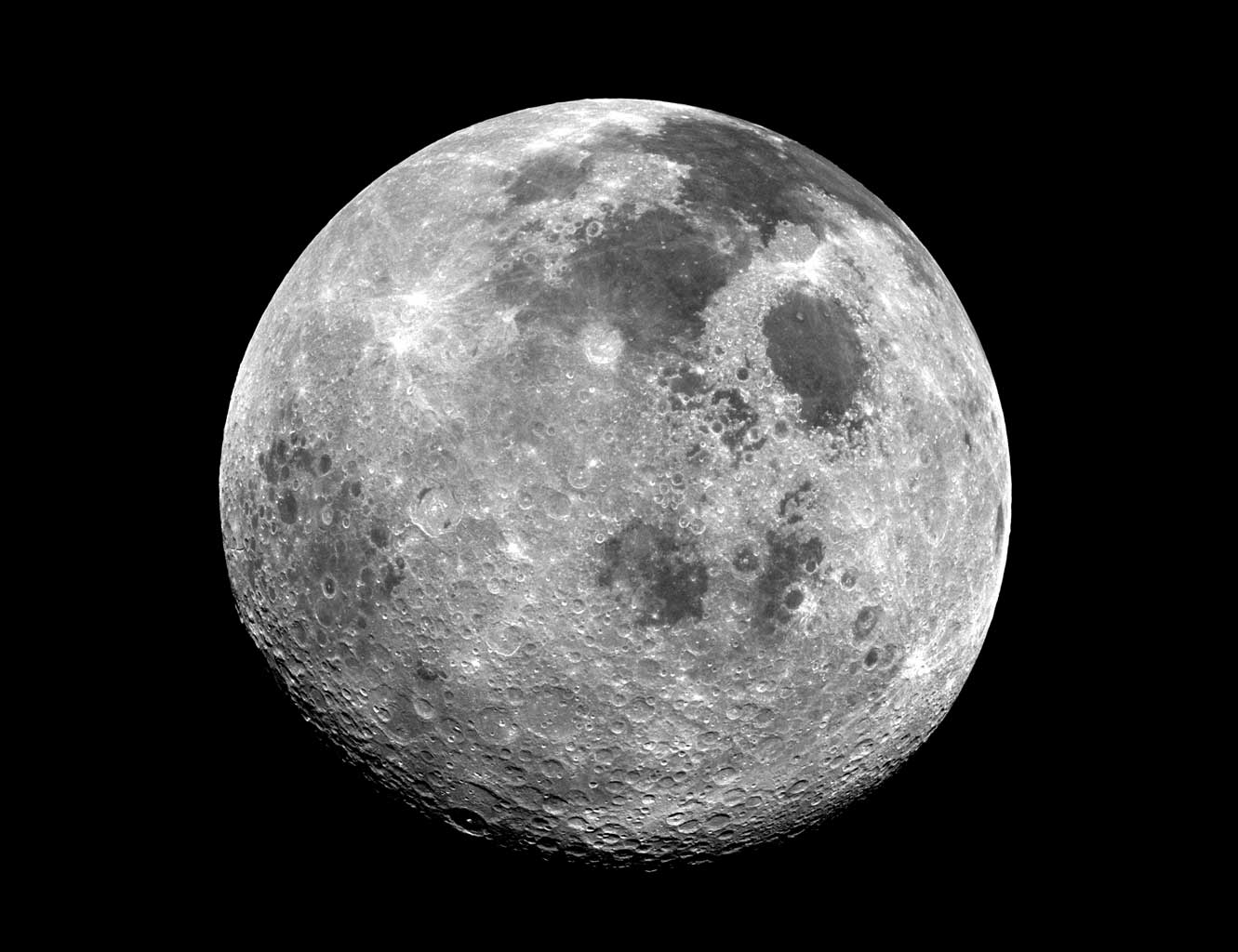
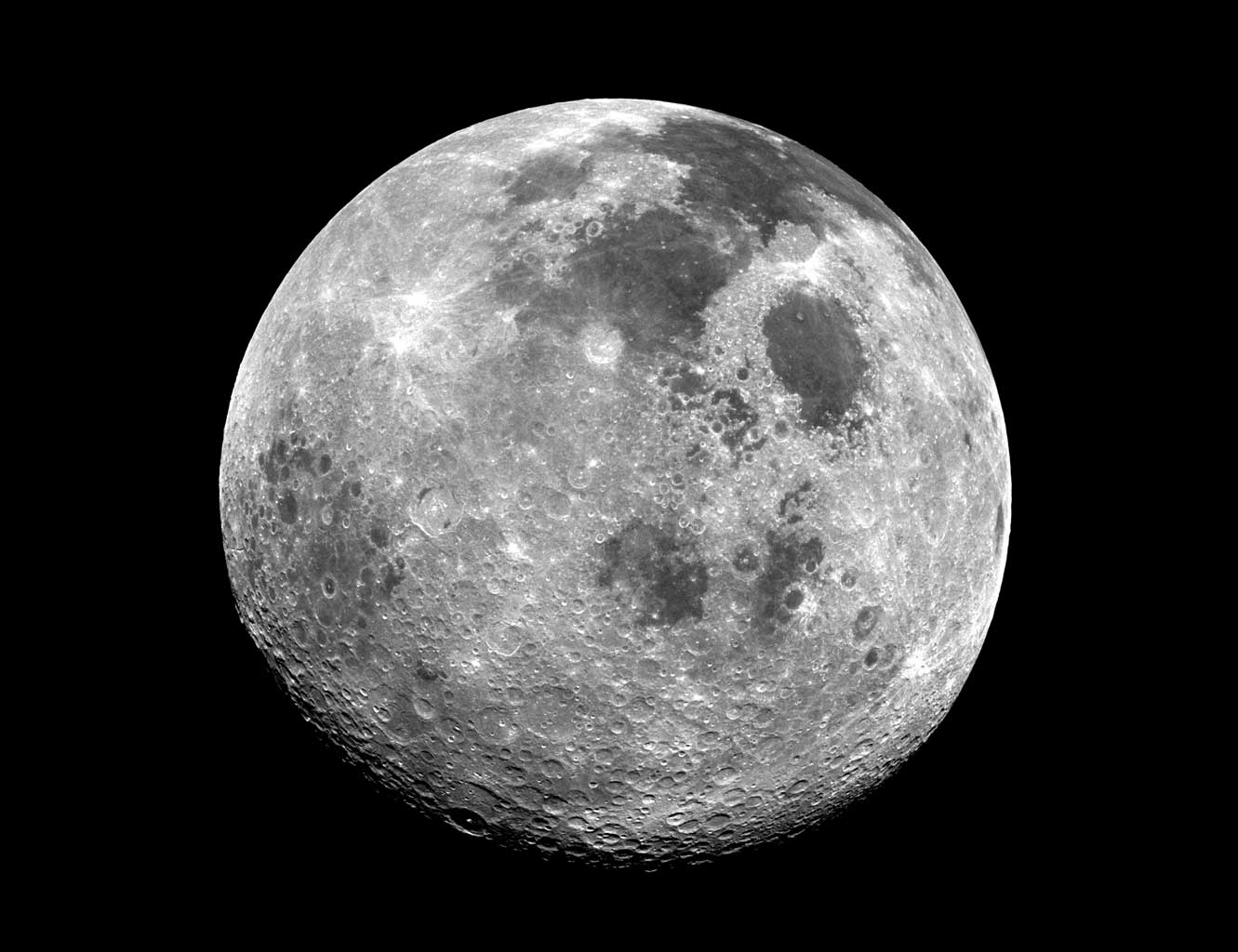
2 - Transpose angular sizes and distances of objects from charts and lists A telescope with an eyepiece that yields 25 -30 X magnification has approximately a 2 degree field of view; a 8 X binocular or typical telescope finder scope has approximately an 8 degree field of view. The greater the magnification, the narrower the field of view; and as power increases, the concentration of light diminishes as it is visually spread over a larger area. It is important to understand why most astronomical viewing is done at low powers - well below the capability of the telescope. The more you magnify an image, the smaller that field of actual view becomes. Search for objects with low magnification eyepieces. Once you find and center an object you may increase magnification to reveal more details. The angular size of the moon is 1/2 degree, so you can easily cover it with your pinky finger extended to arm’s length. Many objects in the night sky have much larger angular size than the moon. A few galaxies in our local group and even more nebulae in the Milky Way galaxy are larger than (1) one degree. |
|
|
|
||||||||||||||||||||||||||||||||||||||||||||||||||||||||||||
|
|
|
When I point out objects, I use degrees and describe geometric shapes or imaginary lines which point to the object. I point out a star and say “go west 10 degrees and then 3 degrees south”, or “”those 3 stars for a right triangle; imagine a line between the two southernmost stars and look at a point 1/3 of the way along that line from the east.” There is a member of the Astronomy Club of Tulsa - Steve C. - who is known by his friends as a master of this type of celestial “navigation”. Steve is “allergic” to fancy telescope controls; his brain is his computer. Visit with him at the RMCC observatory and you’ll end up smiling- perhaps laughing. It is absolutely fascinating to see how years of practice using these simple methods allow Steve, James, John and others to navigate the sky as easily as they navigate city streets and parking lots. If you don’t have someone to point things out, just remember what you see on your chart and then identify (within a few degrees) nearby stars. The wide field of low power binoculars and finder scopes makes finding objects invisible to the naked eye much easier. If you participate with any of these groups, someone will b e willing and happy to help you. |
|
|
|
The Astronomy Club of Tulsa, and Star Corral are all about enjoying and sharing astronomy. We enjoy helping others learn of basic astronomical terms and principles by sharing information and demonstrating simple techniques that allow anyone who is interested to catch on quickly. |
|
|
|